
 Digital Marketing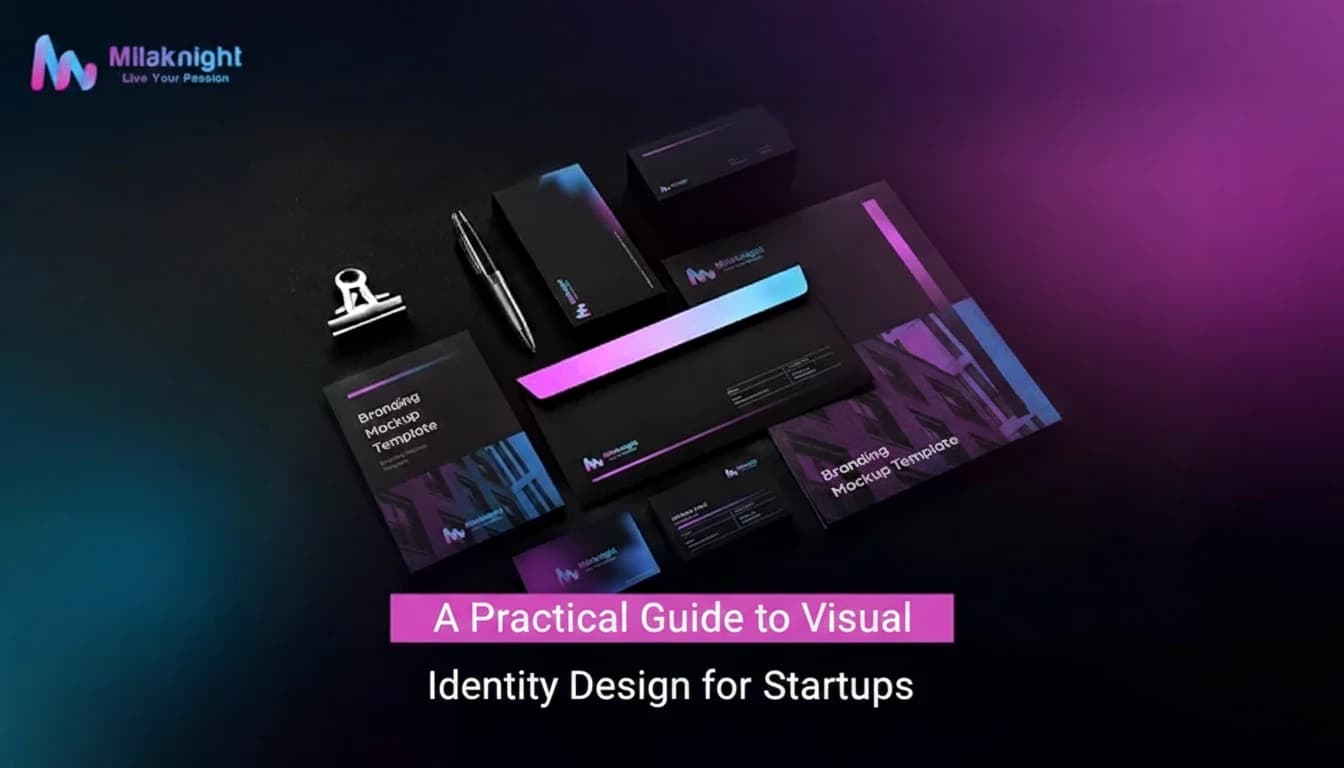
In today’s fast-moving business environment, competing on product or service quality alone is no longer enough. The startups that truly stand out — and earn both customer attention and investor trust — are those whose visual identity communicates their values before their sales team even says a word.
If you’re working on building a visual identity for a startup, understand this: you’re not just picking colors and fonts. You’re creating a complete visual decision-making system that will shape how your company shows up in the market for years to come.
Why Visual Identity Matters for Startups
Many founders fall into the trap of treating branding as simply designing a logo. But in reality, a logo is just the tip of the iceberg. Building a strong brand requires what’s known as a Visual Identity System — a structured framework that ensures consistency across every customer touchpoint.
This system guarantees that your brand looks cohesive everywhere: on your website, in investor pitch decks, across social media platforms, and beyond.
A well-crafted visual identity delivers:
- Instant recognition: Customers recognize your brand through your colors or typography even before reading your company name.
- Credibility and trust: A polished identity signals professionalism and stability — qualities that investors and partners actively look for.
- A seamless user experience: Visual consistency makes it easier for customers to understand your message and engage with your product without confusion.
Key Steps to Designing a Startup Visual Identity
To build a brand identity that can grow and endure, you need a strategic approach that starts from the core and extends to the surface.
1. Start with Brand Foundations
Before any designer opens a design tool, you need clarity on the fundamentals:
- What personality does your brand embody? Is it formal and authoritative, or bold and playful?
- Who exactly is your target audience, and what emotions do you want to evoke in them?
- What is the one key message your brand must communicate within the first three seconds?
This foundational clarity ensures that every visual choice aligns with your business strategy.
2. Craft a Meaningful Logo
Your logo is the symbol of your identity — but for it to be effective, it must be:
- Simple: Easy to recognize and remember in a crowded digital landscape.
- Versatile: It should look just as strong on a tiny app icon as it does on a large billboard.
A logo must function across multiple formats, sizes, and contexts without losing clarity or impact.
3. Leverage the Psychology of Colors and Typography
Colors communicate faster than words. In startup branding, color choices should reflect your positioning and strengths. For example:
- Blue often conveys trust, security, and technology.
- Green can suggest growth and sustainability.
Typography also defines your brand’s “tone of voice.” Are you refined and classic? Modern and bold? Elegant and minimal? Your font choices silently communicate these attributes.
4. Build Supporting Visual Elements
Designing the identity is only half the journey — implementation and consistency are what truly protect your brand. That’s where a Brand Guidelines Document becomes essential.
A professional brand guide typically includes:
- Logo usage rules: Clear spacing requirements, color variations, and misuse examples.
- Color palette: Exact Hex codes to maintain consistency across digital and print formats.
- Typography system: Primary and secondary fonts for headings and body text.
- Custom iconography: Visual elements that enhance storytelling on your website and marketing materials.
- Image and illustration style: Defined standards for photography or technical illustrations to ensure visual harmony.
- Grid and layout systems: Structured design frameworks to maintain consistency across new materials.
This documentation ensures your visual identity remains cohesive as your startup scales.
5. Visual Identity as a Competitive Advantage in Fundraising
A strong visual identity plays a critical role during funding rounds. Investors don’t just invest in products — they invest in vision.
When a startup presents a pitch deck with a refined, consistent visual identity, it signals attention to detail, strategic thinking, and long-term ambition. It suggests that the founders are building a sustainable company — not just testing a temporary idea.
A strategic visual identity transforms a concept into a credible entity. It builds emotional connection with customers, reduces customer acquisition costs over time, and strengthens brand loyalty.
6. How to Implement Your Visual Identity Effectively
To maximize the impact of your visual identity:
- Be comprehensive: Apply it across every touchpoint — website, business cards, email templates, packaging, and more.
- Encourage collaboration: Founders and designers must work closely together. Great branding comes from a deep understanding of the business model.
- Stay flexible: Startups evolve quickly. Your identity should be adaptable enough to grow with your company without requiring a complete overhaul every year.
discover more about: Steps to Improve Conversion Rate in Websites
About MilaKnight
MilaKnight is a Saudi platform specializing in innovative digital marketing solutions that empower e-commerce brands and startups to scale with confidence. Its services include campaign management, search engine optimization, content development, and digital brand building. With deep expertise in the Saudi market, MilaKnight helps brands connect with their target audience and achieve measurable growth in both sales and brand awareness.
Designing a visual identity for startups is not a superficial expense — it’s a strategic investment in your company’s intangible assets. In today’s competitive Arab market filled with opportunity, a strong identity gives your brand a distinct voice and positions you as the first choice in customers’ minds.

