Digital Marketing
In today's digital landscape, a well-crafted online presence is crucial for businesses aiming to establish customer trust. A professionally designed website not only attracts potential clients but also fosters a sense of reliability and credibility. Milaknight , a leading digital marketing company, understands the importance of website design in achieving this goal. By providing comprehensive solutions, including website optimization, Milaknight helps businesses succeed in the competitive online market.
Key Takeaways
- A well-designed website is essential for building customer trust.
- Professional website design enhances a company's online credibility.
- Milaknight offers comprehensive digital marketing solutions.
- Effective website optimization is crucial for online success.
- A strong online presence is vital in today's digital landscape.
The Fundamental Connection Between Website Design and Customer Trust
The design of a website plays a crucial role in establishing customer trust in today's online marketplace. A well-crafted website not only attracts visitors but also retains them by fostering a sense of reliability and professionalism.
First Impressions in the Digital World
The initial impression a visitor gets from a website is formed within milliseconds. This is where the 50-Millisecond Rule of Trust Formation comes into play.
The 50-Millisecond Rule of Trust Formation
Research has shown that it takes approximately 50 milliseconds for users to form an opinion about a website. This instantaneous judgment is based on the site's aesthetics, layout, and overall visual appeal.
Visual Hierarchy and Trust Signals
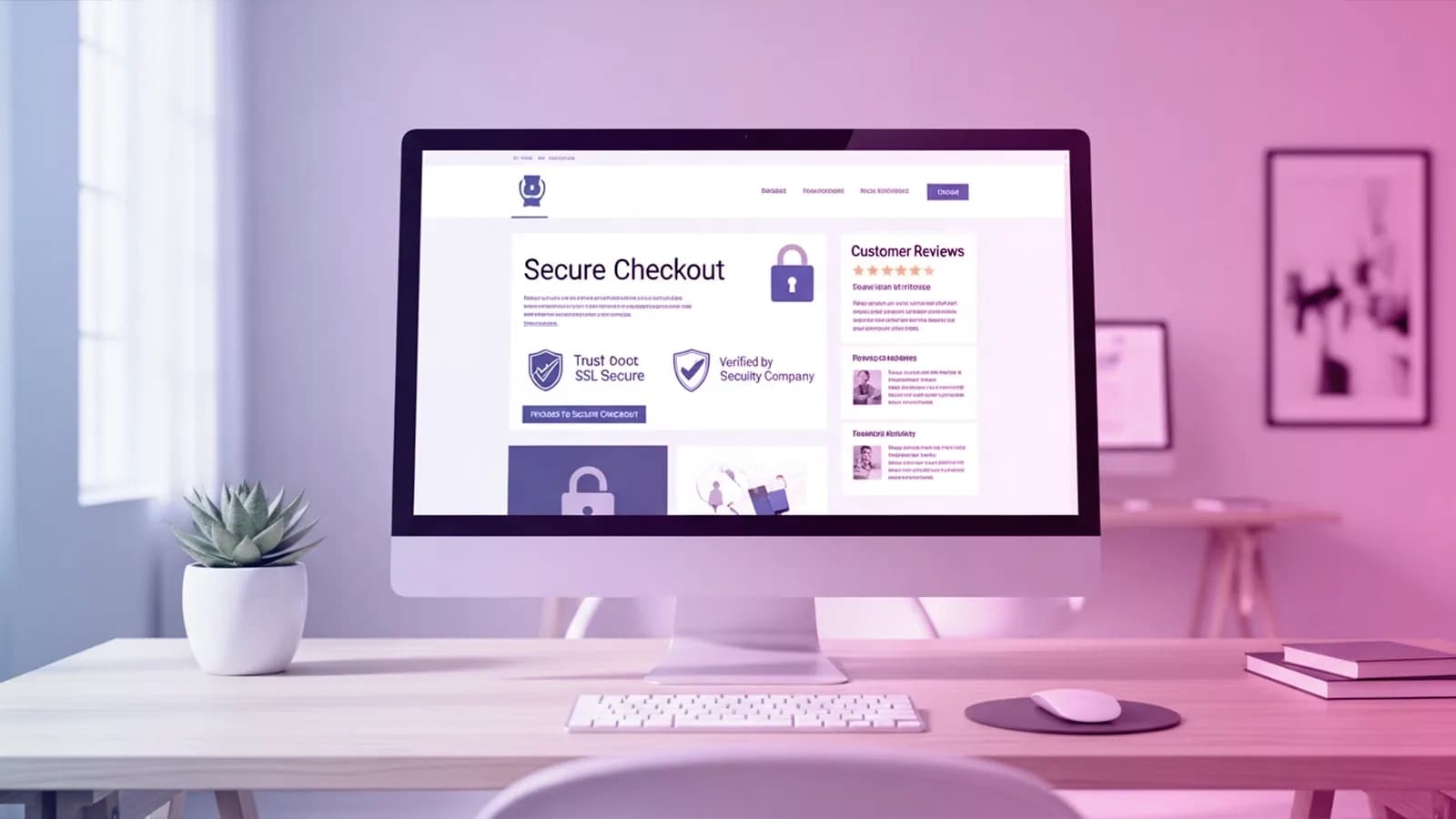
A well-structured visual hierarchy guides the visitor's attention to key elements, such as trust signals (e.g., security badges, customer testimonials). These elements are crucial in building trust.
The Psychology Behind Digital Trust
Understanding the psychological factors that influence trust is vital. Cognitive biases play a significant role in how users perceive a website.
Cognitive Biases Affecting Online Trust
- Cognitive biases, such as confirmation bias, affect how users evaluate a website's credibility.
- Users tend to trust websites that align with their expectations and values.
Trust Barriers in Saudi Arabian Markets
In Saudi Arabia, cultural and linguistic factors can impact trust. A website that is sensitive to these nuances can overcome potential barriers.
Essential Elements of Trust-Building Website Design
A trust-building website design is not just about creating a visually appealing site; it's about crafting an online presence that instills confidence in your visitors. Trust-building website design is a multifaceted approach that encompasses various essential elements.
Professional Aesthetics and Brand Consistency
The aesthetic appeal of your website plays a significant role in forming first impressions. A professional-looking website with consistent branding elements such as logos, color schemes, and typography helps to establish credibility.
Color Psychology in Trust Formation
Colors can evoke different emotions and perceptions. For instance, blue is often associated with trust and stability, while green symbolizes growth and harmony. Choosing the right color palette that aligns with your brand's message is crucial.
Typography and Its Impact on Credibility
The choice of typography can significantly influence how your content is perceived. Fonts that are clear, legible, and consistent across the website contribute to a professional appearance, enhancing credibility.
Intuitive Navigation and Information Architecture
An intuitive navigation system ensures that visitors can easily find the information they're looking for. A well-structured information architecture is vital for a positive user experience.
Menu Structure Best Practices
A simple, organized menu structure is essential. Limiting the number of menu items and using clear, descriptive labels can improve navigation.
Search Functionality and User Guidance
Incorporating a robust search function can significantly enhance user experience by allowing visitors to quickly locate specific content. Providing guidance through the use of breadcrumbs and clear calls-to-action further aids navigation.
By incorporating these essential elements, businesses can create a trust-building website design that not only attracts but also retains customers, ultimately driving business success in the digital marketplace.
Website Design, Customer Trust, User Experience, and Digital Marketing Integration
In today's digital landscape, the synergy between website design, customer trust, user experience, and digital marketing is crucial for business success. At Milaknight, we build inspiring and impactful success stories with you by focusing on the interconnected nature of these elements.
The Interconnected Nature of Design and Marketing
A well-designed website is not just about aesthetics; it's a powerful tool that combines with digital marketing to enhance customer trust and user experience. Conversion-focused design elements play a critical role in achieving this goal.
Conversion-Focused Design Elements
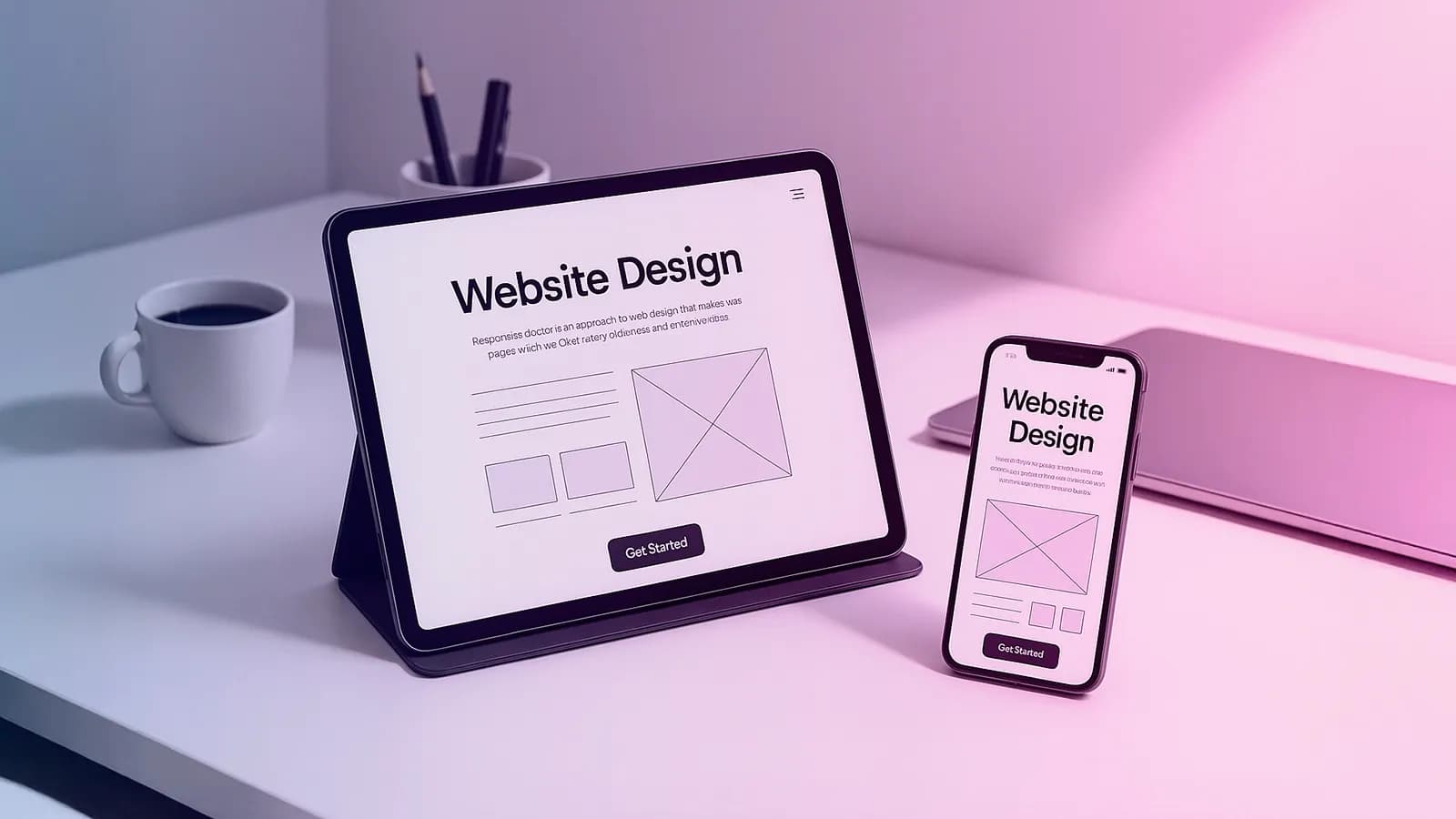
Elements such as clear calls-to-action, intuitive navigation, and responsive design are crucial. These features not only improve the user experience but also guide visitors toward becoming leads.
Brand Consistency Across Touchpoints
Maintaining brand consistency across all digital touchpoints is vital. This includes ensuring that the website design aligns with the overall brand identity and messaging used in digital marketing campaigns.
Trust as the Foundation of Digital Marketing Success
Trust is the foundation upon which successful digital marketing strategies are built. It's about creating a journey that turns visitors into loyal customers.
From Visitor to Lead: The Trust Journey
The journey from a visitor to a lead involves several steps, including engaging content, transparent communication, and a seamless user experience. Trust indicators such as customer testimonials and security badges can significantly enhance this journey.
Milaknight's Holistic Approach to Digital Trust
At Milaknight, we adopt a holistic approach to building digital trust. This involves not just designing trust-building websites but also integrating trust elements into the overall digital marketing strategy.
By understanding the intricate relationship between website design, customer trust, user experience, and digital marketing, businesses can create a robust online presence that drives success.
User Experience Optimization for Enhanced Customer Confidence
In the digital age, user experience plays a pivotal role in fostering customer trust and confidence. A well-designed website not only attracts visitors but also retains them by providing a seamless and intuitive experience.
Page Speed and Performance Metrics
Page speed is a critical factor in user experience optimization. A slow-loading website can lead to high bounce rates and decreased customer confidence. To address this, several performance metrics need to be considered.
- Loading Time: Ensuring that pages load quickly, ideally within 3 seconds.
- Server Response Time: Optimizing server response to reduce latency.
- Resource Optimization: Compressing images and minifying CSS/JavaScript files.
Mobile Loading Time Optimization
With the majority of users accessing websites through mobile devices, optimizing mobile loading times is crucial. This involves:
- Using responsive design to adapt to different screen sizes.
- Optimizing images for mobile devices.
- Minimizing the use of heavy JavaScript and CSS files.
Server Response and Hosting Considerations
The choice of hosting and server configuration significantly impacts page speed. Reliable hosting services with optimized server configurations can enhance performance.
- Choosing a hosting provider with a good reputation.
- Utilizing Content Delivery Networks (CDNs) to reduce latency.
Accessibility Features for Inclusive Design
Accessibility is a key aspect of user experience optimization, ensuring that all users, including those with disabilities, can navigate and use the website effectively.
WCAG Compliance and Business Benefits
Complying with the Web Content Accessibility Guidelines (WCAG) not only enhances accessibility but also has business benefits, such as improved SEO and broader audience reach.
- Ensuring compliance with WCAG 2.1 guidelines.
- Conducting regular accessibility audits.
Accessibility Tools and Implementation
Various tools and techniques can be employed to implement accessibility features, including:
- Using accessibility plugins and tools for website audits.
- Implementing ARIA attributes for dynamic content.
- Ensuring keyboard navigability and screen reader compatibility.
Security Elements That Visibly Enhance Customer Trust
Building trust with customers is crucial, and one of the most effective ways to do this is through robust website security. A secure website not only protects customer data but also assures visitors that their information is safe, thereby fostering trust.
Visual Trust Indicators and Security Badges
Visual trust indicators play a significant role in communicating a website's security to its visitors. These include:
- SSL Certificates and HTTPS Implementation: Indicated by a padlock icon in the browser's address bar, SSL certificates signify that the connection between the website and the browser is secure.
- Payment Security Visuals and Messaging: Displaying security badges from payment providers can reassure customers about the safety of their transactions.
Privacy Policy Transparency and Compliance
Transparency regarding how customer data is handled is crucial. This includes:
- GDPR and Local Saudi Arabian Regulations: Compliance with these regulations demonstrates a commitment to protecting customer data.
- Cookie Consent and User Control: Providing clear information about cookie usage and giving users control over their data enhances trust.
At Milaknight, we're more than just an online marketing company; we're partners in your success. We understand the importance of security in building customer trust and incorporate robust security measures into our web design strategies.